
Family travel gives kids a chance to do more than follow adults from one stop to the next. When children understand the plan and have small jobs to manage, they often feel calmer about the day ahead. The right gear can help them notice details and make choices without adding extra work for parents. This guide details which travel items help kids participate more.
Start With a Kid-Friendly Travel Journal
A travel journal gives kids a simple place to process what they see during a trip. It also helps them slow down rather than rush through each stop. Younger kids can draw one scene from the day, while older kids can write a few sentences about a favorite moment. This habit gives the trip more meaning because children create their own record.
As you look for options, choose a journal that feels easy to use rather than one that's fancy. A sturdy cover helps it survive backpacks, and blank pages give kids room to sketch without pressure. You can invite your child to add one thought each evening, but keep the routine relaxed.
Add a Simple Camera for Their Point of View
A kid-friendly camera gives children a simple way to take part in the trip instead of only posing for photos. When kids choose what to photograph, they start paying closer attention to the places around them. They may notice a view from the hotel window because it feels new or meaningful to them. Later, those photos can help them talk about the trip in their own words.
Cameras are a useful example of travel items that help kids participate more, as they give them a clear role early in the journey. They can serve as the family photographer for part of the day, making sightseeing feel less like waiting. After the trip, you can look through their photos together and ask why they chose each shot; those conversations often reveal what they valued most.
Give Them a Map They Can Actually Use
A simple map can help kids feel included by showing them how the day fits together. Children often handle transitions better when they understand where they are going next, even if they do not need every detail. A printed park map or a basic route gives them something concrete to follow, which makes the plan feel less abstract.
You can make the map even more useful by giving your child one small responsibility. Let them mark the next destination or check off a stop after your family leaves. This turns the map into a quiet job that helps them participate without taking over the schedule.

Pack a Small Backpack That Fits
A small backpack can help kids feel capable when it fits well and stays light. Give your child a few personal items they can manage on their own, such as a snack or a water bottle, so they do not need to ask for every small thing during the day. That little bit of responsibility can make long stretches of travel feel easier because they have some control over their comfort.
Check the backpack before you leave to make sure it feels comfortable once packed. A heavy bag can turn airport walks or sightseeing days into a struggle, so keep the load small and practical. Soft straps help the bag sit better on narrow shoulders, and a compact size keeps it from bouncing as your child moves. When the backpack feels easy to wear, it supports the trip instead of becoming one more thing to manage.
Bring Binoculars for Outdoor Stops
Binoculars can change the pace of an outdoor stop for the better. Instead of moving from one view to the next, kids have a reason to slow down and look more intentionally. A trail overlook becomes more interesting when they can study what sits beyond the path, and a ferry ride feels more engaging when they can search the shoreline from their seat. That small shift helps them connect with the place rather than simply move through it.
Look for a lightweight pair that feels easy for your child to hold. If the focus wheel takes too much effort, test another option before the trip so frustration does not take over the moment. Once you arrive, give your child a simple viewing task that fits the setting. A clear prompt helps them know where to look and gives the binoculars a purpose beyond novelty.
Include Headphones for Guided Listening
Headphones can help kids stay connected to the trip when used with a clear purpose. In a museum, they can follow an audio guide and understand the exhibit without needing you to explain every detail. During a long wait, your child can listen to a story that helps them reset more calmly before your next adventure.
Set expectations before the day begins so headphones do not replace the whole experience. You might use them during a travel stretch, then put them away during a meal. This balance helps kids enjoy quiet time without completely checking out. When used thoughtfully, headphones can help children stay calm enough to rejoin the group.
Add Travel Games That Invite Conversation
Small travel games can help kids engage with the social side of a trip. The best options do not require a large table or a long setup. A simple card game can work during a quiet hotel evening.
Choose a travel game that feels simple enough to enjoy right away. Long rule explanations can slow down a tired evening, especially when everyone has already handled a full day of plans. One familiar game within reach can make a restaurant wait or hotel night feel easier without turning downtime into another task. When the game feels relaxed, kids can join in naturally and start to look forward to those shared pauses.

Get a Suitcase They’ll Love
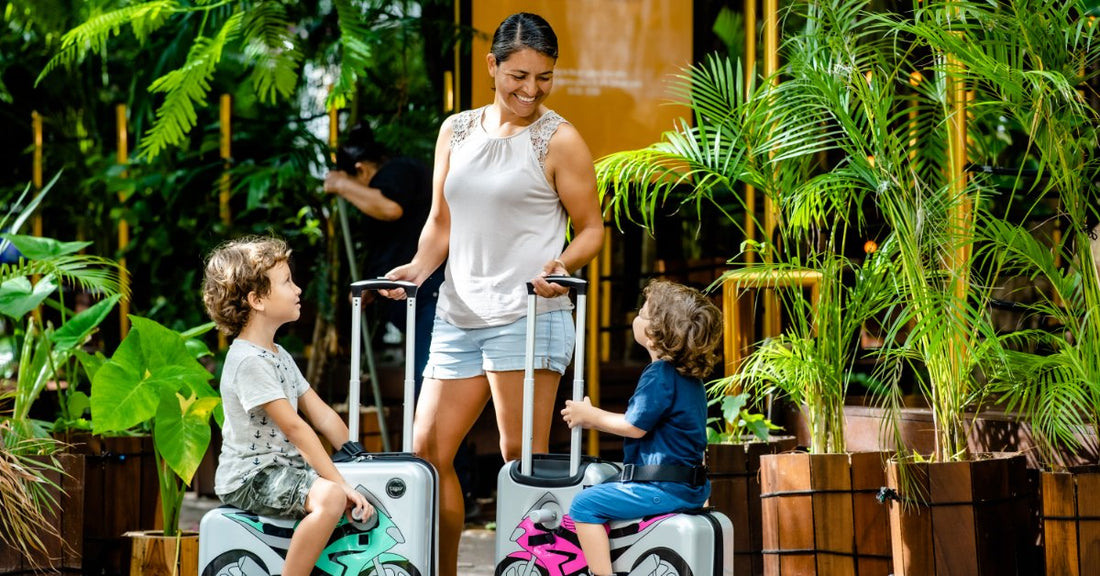
When children have luggage that feels fun to use, they often show more interest in packing and keeping track of their own things. Additionally, ride-on luggage for kids gives them a familiar place to sit during slower moments of travel, which can make busy airports feel more manageable. Instead of viewing luggage as another item parents handle, kids can see it as their part of the journey.
Look for a suitcase that feels easy for your child to steer and comfortable enough for short rests along the way. A design they love can make them more excited to use it, while a practical layout helps parents keep the essentials organized. Before your next family trip, choose gear that gives your child a small role from the start
Keep It Fun
A few thoughtful travel items can help kids feel more involved from the very beginning. When they have something to carry, check, use, or notice, the trip feels more like an experience they get to join. That small sense of ownership can make travel days feel smoother for everyone.


1 Comment
A highly informative and insightful article with practical ideas that make learning and everyday activities more engaging for children. I especially appreciate the emphasis on combining creativity, play, and learning to help children develop essential skills in an enjoyable and meaningful way. Thank you for sharing such valuable and practical insights. For more helpful ideas and resources for children, you can also explore “Sakuya.in”