
Packing for a family trip often creates tension before the vacation even begins. Children may lose interest quickly when the task seems long, while parents often take over to keep everything moving. That approach may save a few minutes, but it also keeps children from building useful travel habits.
A better process gives children a clear role without placing the full responsibility on them. Parents can simplify each step while setting reasonable limits. They can also connect packing choices to the trip ahead. Delve into how you can make packing less of a chore for kids.
Start With a Clear Packing Timeline
Children handle packing more successfully when they know when the process will begin and what they need to complete. Waiting until the night before can create pressure because they must make several decisions while the family watches the clock. Set a specific packing time a few days before departure so everyone can work through the task without rushing.
Starting early also gives parents time to notice missing items and make adjustments before the suitcase closes. Younger children may finish in one short session, while older children can divide the work across several stages. A visible schedule makes packing part of the trip routine instead of a last-minute demand.
Create a List Children Can Follow
A packing list gives children a concrete path through the task. Instead of telling them to “pack their things,” identify what they need in language that matches their age. Younger children may respond better to pictures, while confident readers can use short written prompts.
Keep the list focused so it supports progress rather than creating another source of confusion. Each entry should tell the child what to gather without adding extra explanation. The categories below give children enough direction without overwhelming them:
- Clothes for each travel day
- Sleepwear for the trip
- One comfort item
- Travel-day entertainment
Before packing begins, parents should review the list with their child and clarify vague entries by explaining exactly what belongs in each category. Once every item has a clear meaning, children can follow the list independently while parents save their input for the final check.

Offer Limited Choices
Children often resist packing when adults make every decision for them. Giving them some control can increase cooperation, but unlimited choices usually slow the process. Parents should select suitable options first, then let the child choose between two approved items.
This method works especially well with clothing because it preserves the child’s preferences without risking an impractical suitcase. A child may choose between two shirts or decide which pair of pajamas to bring. Clear boundaries keep the task moving while still giving the child meaningful ownership.
Turn the Task Into a Challenge
You can also make packing less of a chore for kids by turning it into a fun challenge. Ask them to find one category of items within a set amount of time, such as two pairs of pants and three shirts in two minutes, then review what they gathered before moving forward. The goal should center on accuracy rather than speed alone.
Parents can also use a matching challenge that connects each item to a planned activity. A child might choose shoes for a long walking day, then explain why the pair suits the plan. That small decision turns packing into problem-solving and helps children understand the purpose behind each choice.
Use a Packing Station
Children often lose track of what they have packed when items move directly from drawers into a suitcase. A packing station creates one visible area where they can gather everything before anything goes into the bag. Use a bed or a large table with enough room to separate each category.
Once the child finishes gathering items, review the group together and remove anything unnecessary. This step prevents duplicate clothing and makes missing essentials easier to notice. Children also gain a clearer sense of how much space their choices require before they begin arranging the suitcase.

Give Each Child a Defined Responsibility
A clear responsibility helps children contribute without taking on more than they can manage. Younger children can gather simple items from their rooms, while older kids can match clothing to the number of travel days. The assignment should match the child’s attention span and experience.
Parents should explain the responsibility before the child begins gathering the assigned items, then allow enough time for independent effort. Constant correction can make the task more frustrating than helpful. A brief review at the end gives parents a chance to fix mistakes while still recognizing the child’s work.
Buy Fun Luggage
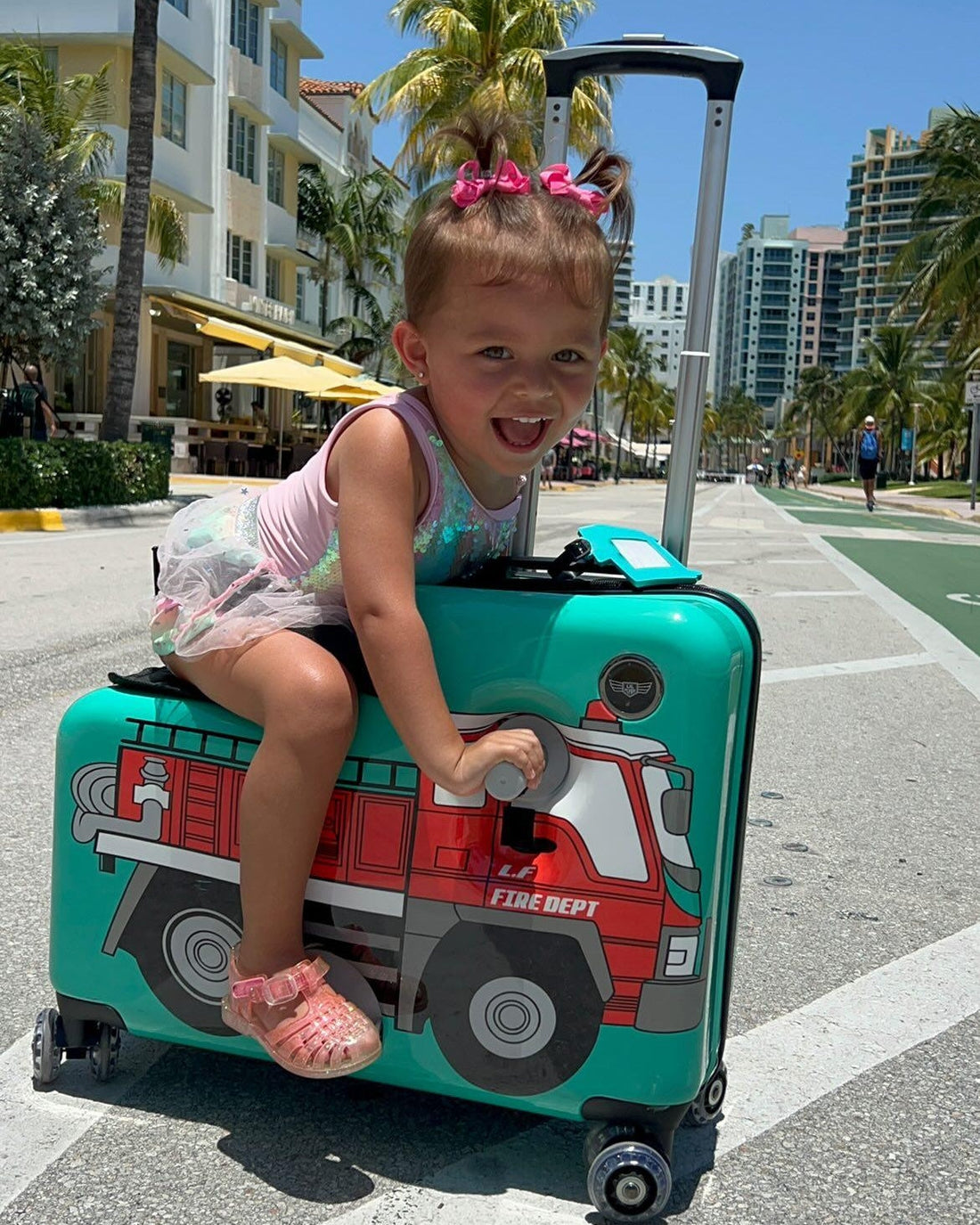
A suitcase that reflects a child’s interests can give them a stronger reason to participate in packing. Let your child choose a design they will enjoy using, then make the suitcase their responsibility during each packing session. Personal ownership turns the bag into part of the travel experience rather than another item a parent must prepare.
Function should support the excitement, especially when families need luggage that works beyond the packing stage. Specific options such as ride-on suitcases are perfect because they hold a child’s belongings while giving them a padded place to sit during airport travel. A suitcase that remains useful throughout the journey can keep children interested from the moment they pack until the family reaches its destination.
Use Packing Cubes
Packing cubes are a lifesaver, especially when you have a lot of items to put into a bag; you can use several to give each type of apparel a place. Sit with your child and help them assign one to shirts, another to pants, and one for pajamas. The visual separation of packing cubes reduces confusion when the child packs and later unpacks.
Using packing cubes can also improve your child’s organizational skills and make them feel more involved in the process. Your little one can select how they pack the cubes and fit each one into the suitcase.
Travel Tip
Try getting packing cubes that are different colors so your child can easily remember what is in each one when they unpack.
Connect Each Item to the Trip
Children understand packing more clearly when parents connect each item to a planned part of the trip. Review the itinerary together and ask what clothing or gear each activity requires. Packing decisions become easier once children know when and why they will use each item.
Linking each item to the itinerary also helps children separate necessities from extras. Rather than filling the suitcase without a plan, they can choose belongings based on the trip ahead. A clear purpose gives the packing process more structure and makes each decision easier to understand.
Build in a Final Review
Finish by reviewing the packing list together and asking your child to show where each item belongs. Correct any mistakes with a brief explanation, then let them make the adjustment so the final check still supports independence.
A little patience during the packing process gives children room to build confidence and take greater responsibility. Each trip offers another opportunity to strengthen their skills and make departure day easier for the whole family.
Shop At Younglingz
Shop Younglingz for ride-on designs that support independence while keeping little travelers comfortable on the go. Give your child luggage that makes packing more exciting and airport travel easier.


