
Travel days can test even the most prepared parent. A delayed departure, a tired child, or one missing snack can change the mood in minutes. Parents can’t control every part of the trip, but they can shape the experience with a plan that reduces rushing, confusion, and frustration.
The goal doesn’t need to involve a perfect schedule. Families travel more smoothly when parents build in breathing room, give children simple responsibilities, and choose gear that supports how the family moves. A calmer approach helps everyone arrive with more patience and energy for the trip ahead. Continue reading to explore what parents can do to reduce travel day stress.
Start Earlier
Travel stress often begins long before the family reaches the airport or starts the drive. Parents may leave packing until the final evening, then spend the night searching for chargers, washing clothes, and checking reservations. That rushed start can carry into the next morning.
Begin packing a few days ahead and focus on one category at a time. Gather clothes first, then toiletries, travel documents, comfort items, and entertainment. Keep a written checklist near the luggage so every adult can see what still needs attention.
Parents should also prepare the home for their return. Empty the trash, wash important dishes, and set aside a simple meal for the first night back. These small steps reduce pressure at both ends of the trip.
Share the Plan
Young children handle transitions better when they know what will happen next. Parents can explain the travel day in simple steps before leaving home. Tell children when the family will leave, how long each part may take, and what they can expect at the destination.
Keep the explanation clear and age-appropriate. A younger child may only need to know that the family will drive, wait, fly, and meet a relative. An older child may enjoy following the route or checking each stage on a printed schedule.
Parents should also explain the rules for busy travel spaces. Remind children where to stand, when to hold a hand, and how to stay close near crowds. Calm preparation works better than repeated correction during a hectic moment.

Pack for Access
A well-packed bag can save parents from digging through several compartments while a child grows impatient. Place high-use items where adults can reach them quickly. Snacks, wipes, medications, a change of clothes, and charging cords should never sit under everything else.
Parents can group similar items in small pouches. One pouch can hold snacks, another can hold hygiene supplies, and another can hold travel documents. This setup helps adults find what they need without unpacking the whole bag.
Keep one complete outfit for each young child in the carry-on. Spills, bathroom accidents, and sudden weather changes can happen anywhere. A fresh outfit gives parents a fast solution and helps children feel comfortable again.
Choose Useful Gear
Travel gear should solve a real problem instead of adding another item for parents to manage. Families with younger children often need a way to carry belongings while helping a tired child move through a large airport, hotel, or attraction.
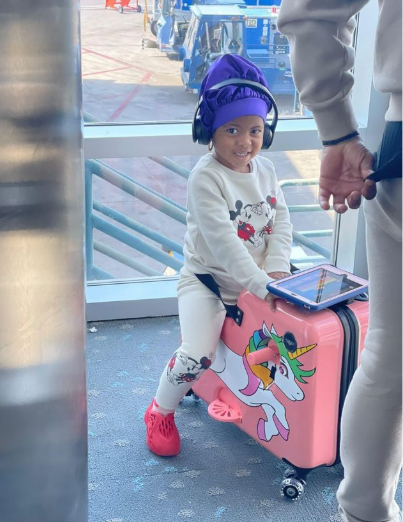
A suitcase stroller combines storage with a ride-on seat, which can reduce the need for separate luggage and a full-size stroller. Parents can pull a child through appropriate travel areas while keeping the child’s belongings close. A stroller suitcase also works beyond airports, so families can use it during road trips, overnight stays, vacation outings, or visits to an amusement park.
This type of carry-on can fit into an overhead bin when it meets the airline’s size rules. Parents should review the listed dimensions and their airline’s current carry-on requirements before departure. Families gain more value from travel gear when they can use it across several types of trips.
Protect the Schedule
Parents often create stress by planning every minute too tightly. A small delay can disrupt the entire day. Leave extra time between major steps, especially when the family needs to park, check bags, clear security, stop for a restroom, or load the car.
For air travel, arrive early enough to move at a steady pace. Children may need extra time to take off jackets, organize belongings, or adjust after security. A relaxed pace helps parents respond without snapping or rushing.
For road trips, build in stops for movement, food, and bathroom breaks. Children usually cooperate more when parents treat these stops as part of the plan rather than as interruptions.
Manage Hunger
Hunger can turn a manageable delay into a difficult one. Pack familiar snacks that travel well and don’t create a large mess. Choose foods that children already enjoy rather than testing new options during the trip.
Parents should offer snacks before children become overly hungry. Waiting until a child feels upset can make it harder to settle the situation. Keep water available and remind children to drink during long drives or flights.
A small amount of variety can also help. Pack one filling snack, one crunchy option, and one small treat. That mix gives children choices without filling the bag with too many items.
Plan for Rest
Tired children often struggle with patience, noise, and transitions. Parents can reduce stress by protecting rest whenever the schedule allows. Choose departure times that work with the child’s usual rhythm, especially for younger travelers.
Bring a familiar comfort item such as a small blanket, stuffed animal, or travel pillow. Familiar items can help children settle in an unfamiliar space. Keep the item easy to reach.
Parents should also lower expectations after a long travel day. A quiet meal, an early bedtime, and a simple activity can help the whole family reset.

Give Kids a Role
Children often feel calmer when they can participate. Give each child one or two simple travel responsibilities. A younger child can carry a small backpack or choose the next snack. An older child can help count bags, watch for a gate number, or check the family schedule.
Keep each task manageable. A child shouldn’t carry anything important that an adult can’t quickly replace or recover. The goal involves participation, not pressure.
Parents can also praise specific behavior during the trip. Notice when a child waits patiently, stays close, or helps with a bag. Clear praise encourages cooperation and keeps the tone positive.
Stay Flexible
Even careful plans can change. Weather, traffic, delays, and long lines can affect the day. Parents can’t prevent every problem, but they can control their response.
Children often take emotional cues from adults. When parents speak calmly and focus on the next useful step, children may find it easier to adjust. Parents can acknowledge frustration while still guiding the family forward.
A flexible mindset also helps parents drop plans that no longer serve the family. Skipping one attraction or changing dinner plans may protect everyone’s energy. A successful trip doesn’t depend on completing every activity.
Arrive With Energy
Parents reduce travel day stress when they prepare early, pack for easy access, protect the schedule, and use gear that supports the family’s real needs. These choices create more room for patience when plans shift, or children need extra help.
The best travel routine grows from experience. After each trip, parents can note what worked, what created tension, and what they want to change next time. With thoughtful preparation and realistic expectations, families can spend less energy managing chaos and more energy enjoying where they’re going.


