
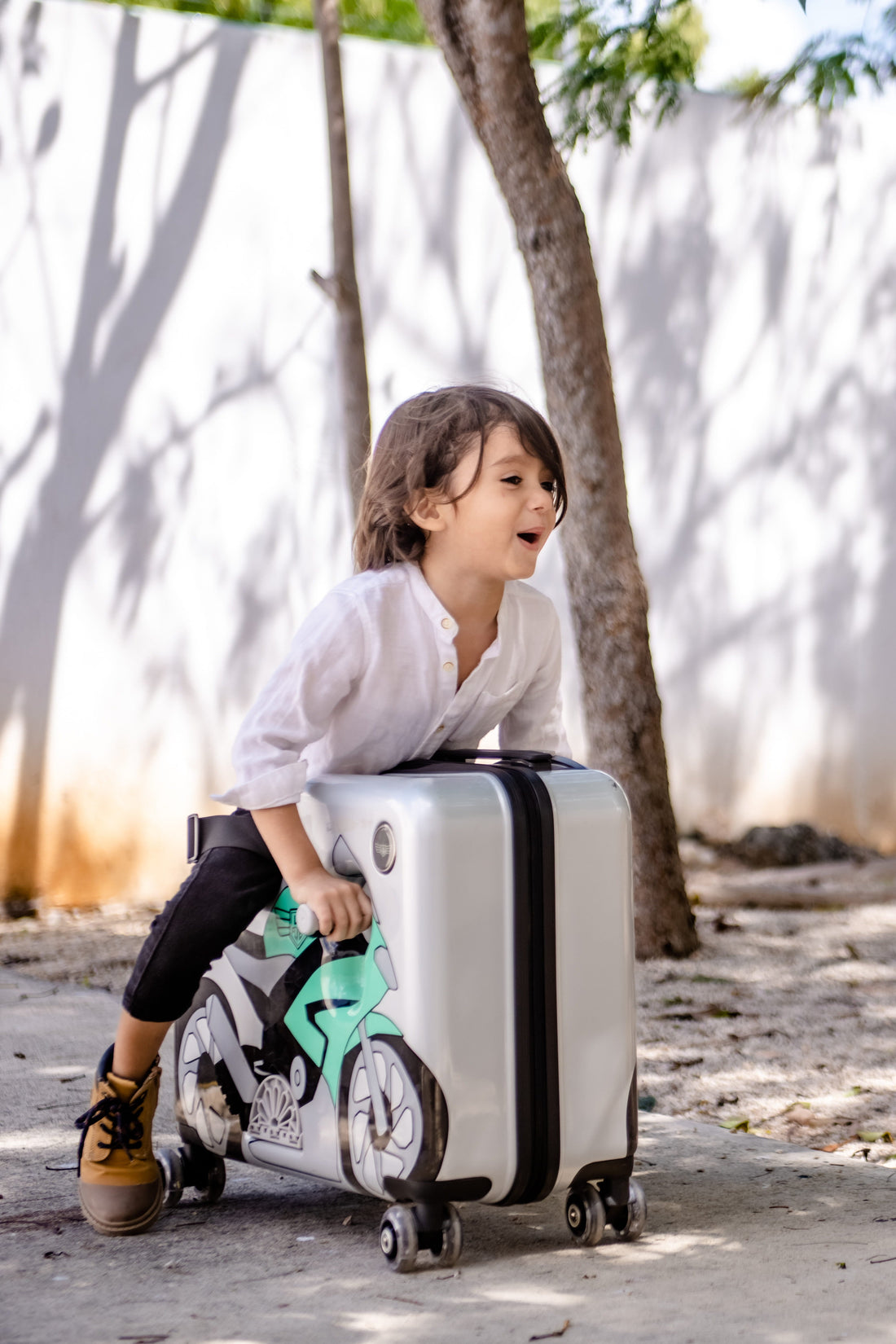
Family trips feel easier when kids have time to picture the experience before travel day arrives. A child who understands the plan can move into the trip with more confidence, especially if the family starts building interest at home. Excitement also gives parents a calmer way to talk about packing and shared expectations before everyone heads out the door. The goal does not need to involve a perfect schedule or expensive surprises because small routines can create some of the best ways to build excitement before a family trip.
Start With a Countdown Kids Can See
A visible countdown gives children something simple to follow as the trip gets closer. Younger kids often understand time better when they can mark each day rather than just hearing that the family leaves next week. Parents can use a paper calendar or a small chart in a spot the family sees often.
Keep the countdown light to make it feel fun rather than intense. Each day can include one small trip-related task, such as choosing a shirt or discussing a place the family might visit. That rhythm helps the trip feel real without putting too much pressure on children who still need steady routines.
Let Kids Help With One Travel Choice
Children often feel more excited when they get a small voice in the plan. Parents can offer one choice that still keeps the trip realistic, such as picking a snack for the car or choosing a bedtime item for the hotel. A limited choice works better than handing over the whole plan, as kids can get involved without feeling overwhelmed.
This approach also gives parents a natural way to talk about expectations. A child who helps choose one part of the trip may listen more closely when the family discusses timing or behavior. Small choices can be one of the easiest ways to build excitement before a family trip, as they make kids feel included before the family leaves home.
Talk About the First Travel Day
The first travel day can feel confusing for kids if parents only describe the destination. Children may want to know what will happen after breakfast or how long they need to sit during the ride. A simple walkthrough can reduce some of that uncertainty and make the start of the trip feel less overwhelming.
Parents do not need to explain every detail. Focus on the part of the day the child will experience most directly, such as getting dressed or leaving home. A short conversation can help kids understand the flow of the day while still leaving room for surprise.

Build a Small Packing Routine
Packing can create excitement when children understand their role. Instead of asking them to gather everything at once, give them one clear job that matches their age. A young child may choose a comfort item, while an older child may check a small pile of clothing with a parent.
A packing routine also helps families avoid last-minute stress. Children feel proud when they know where their things belong, and parents gain a better sense of what still needs attention. Before the suitcase closes, use a simple check to keep the process calm:
- Choose one comfort item for quiet moments
- Pick clothes that match the travel plan
- Place travel-day needs near the top
- Check the bag together before leaving
The checklist should guide the moment without taking over the whole evening. Parents can help kids make final choices, then praise the effort instead of aiming for perfect packing. That response teaches children that preparation matters while maintaining a positive mood.
Make the Destination Feel Familiar
Kids often feel more excited when the destination starts to feel real. Parents can show one picture of the hotel or a place the family plans to visit. One clear image gives children something to imagine without turning the planning process into a long lesson.
A short story about the destination can also help. Parents might explain what the family will see first or what the weather may feel like during the visit. Simple details create comfort because kids can picture the trip with less guesswork.
Create a Travel-Day Tradition
A family tradition can make each trip feel special before it begins. The tradition should stay simple enough to repeat without adding more work for parents. A special breakfast can set the tone, and a favorite song in the car can make the ride feel more cheerful.
Traditions work best when they support the mood parents want for travel day. A calm routine can help nervous children settle, while a playful one can make an early departure feel less rushed. Over time, kids may look forward to that small moment as much as the trip itself.
Give Kids a Job During the Trip
Kids handle travel better when they understand how they can help. A small job gives them something productive to focus on during transitions. Parents can ask a child to watch for the gate number or keep track of their own bag.
The job should match the child’s age and attention span. A task that feels too hard can lead to frustration, especially on a busy travel day. The right job helps kids feel capable while still allowing parents to guide the bigger plan.
Older children may enjoy a job that carries a little more independence. They can help compare signs with the family’s plan or remind everyone about a planned rest stop. Small responsibility gives them pride without shifting adult tasks onto their shoulders.

Keep the Excitement Calm and Steady
Excitement can help kids look forward to a trip, but too much buildup can make the days before departure feel chaotic. Parents can keep the mood steady by talking about the trip in short moments instead of making every day revolve around it. A calm pace helps children stay interested without losing sleep or patience before travel begins.
Steady excitement also gives parents room to handle practical needs. Families still need time to pack and resume normal routines before they leave. When parents balance fun with structure, children can enjoy the anticipation without carrying too much emotional energy into travel day.
The final day before departure should feel reassuring. Parents can keep the conversation focused on what feels ready rather than what might go wrong. That small shift helps kids carry excitement into the trip without turning it into worry.
Help Kids Feel Ready Before the Journey Begins
The best pre-trip excitement gives children confidence as much as joy. Kids want to know that the trip includes them, and parents can create that feeling through small choices that fit the family’s real schedule. A child who helps prepare often steps into travel day with more patience because the experience already feels familiar.
Younglingz helps families bring that same sense of comfort into the airport and beyond. A luggage stroller gives kids a fun role while helping parents manage busy travel moments with less strain. Choose travel gear that builds your child’s confidence and makes the journey feel smoother from the very first step.


