
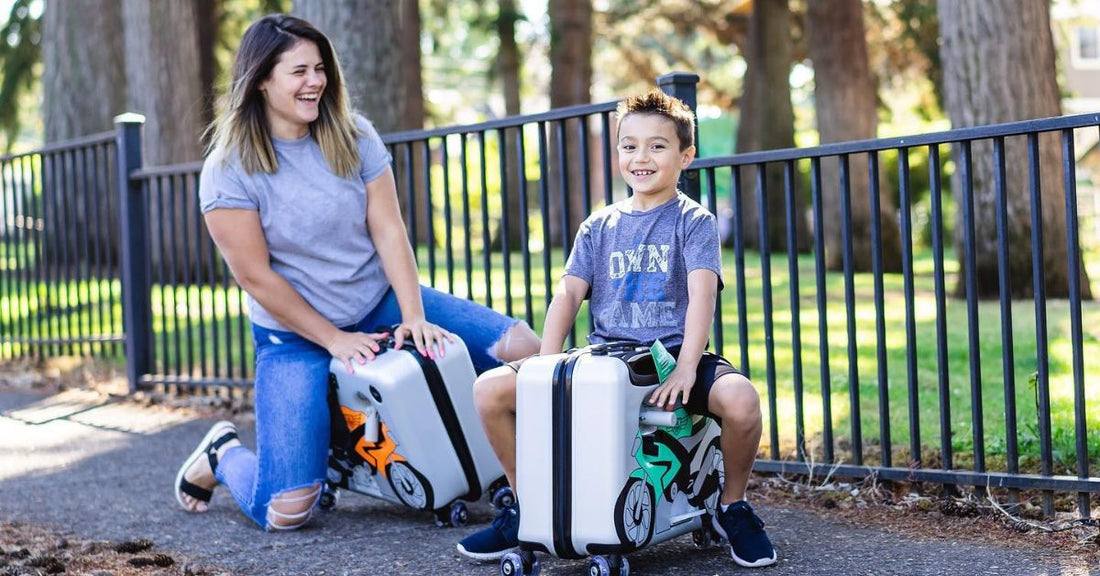
Family travel can create some of the best memories, but it can also test everyone’s patience when plans fall apart. Parents often juggle transportation, meals, naps, budgets, bags, and different personalities all at once. Children may feel excited one moment and overwhelmed the next, while adults try to keep the trip moving without losing the joy of the experience. Learn about the role of planning in successful travel.
Start With the Purpose of the Trip
Good planning starts with understanding what your family needs from the trip. Some families want rest, while others want adventure, sightseeing, or time with relatives. It’s best to discuss the trip's goal and the pace everyone can handle before booking anything. This conversation helps you avoid a schedule that looks exciting on paper but feels exhausting in real life.
A clear purpose also helps you make better choices later. When you know what matters most, you can choose the right destination, lodging, transportation, and activities confidently. This early step keeps the trip focused and reduces the risk that everyone pulls in different directions.
Build a Budget That Reduces Stress
Successful planning also plays a big role in family travel by reducing everyone’s stress. A family travel budget works best when it reflects how the trip will feel day to day.
Food, transportation, activities, and small surprises can add up quickly, so setting a realistic budget early helps you make calmer choices before the trip begins. Instead of deciding in the moment whether every snack, ride, or attraction fits the plan, you can focus on the expenses that will make the trip easier and more enjoyable.
Consider Personal Preference
Your budget should support the kind of trip your family wants, not just the cheapest version. For example, a hotel near major attractions may cost more upfront, but it can save money on rides, parking, and wasted time throughout the day. That choice may also make it easier to return for naps, change clothes, or take a quiet break when younger travelers need one.
Create a Realistic Family Itinerary
A realistic itinerary helps your family enjoy the trip without feeling rushed from one stop to the next. Start by choosing one or two main activities for each day, then build the schedule around travel time, meals, and rest. This approach gives the day enough structure to feel manageable while leaving space for slower mornings, tired kids, or unexpected delays. Instead of trying to fit in everything, you give your family enough time to enjoy what matters most.
A good itinerary should also match your family’s normal pace. If your kids need downtime after lunch, plan a quieter afternoon instead of another long outing. Likewise, if your family likes to explore, leave room for a walk, a visit to a local shop, or a last-minute activity near your hotel.

Choose Accommodations and Transportation Carefully
Where you stay affects the pace of the entire trip, so look beyond the nightly rate. A hotel near your main activities may cost more upfront, but it can save time, reduce transportation costs, and make it easier to return for naps or breaks. Extra space, a small kitchen, or laundry access can also help your family keep normal routines while away from home. When your lodging supports how your family actually travels, each day feels easier to manage.
Transportation needs the same kind of practical planning. Families often need extra time for bathroom breaks, snacks, bags, and slow transitions, especially during long drives or airport days. Whether you drive, fly, rent a car, or use public transportation, build in enough time so one delay does not throw off the whole schedule. A little breathing room helps everyone stay calmer and makes the next part of the day easier to enjoy.
Pack and Prepare Around Real Needs
Packing becomes easier when you plan around real needs rather than guesswork. Start with the weather, trip length, activities, and laundry options. Then think through what each family member needs for comfort, health, and entertainment. A thoughtful packing list helps you bring the right items without dragging around things you never use.
Families also benefit from planning meals. Hungry kids and tired adults can turn a small problem into a major frustration. You do not need to book every restaurant, but you should identify a few reliable options near your hotel and main activities. Snacks, refillable water bottles, and simple breakfast plans can keep the day moving in a calmer direction.
Let Everyone Help With the Plan
You can use planning to involve the whole family. Children often cooperate more when they help shape the experience. Let everyone choose one activity, restaurant, or must-see stop within the budget and schedule; if your children are too young for this, select an age-appropriate activity they’ll love. This approach builds excitement before the trip and gives everyone a sense of ownership.
A family conversation also helps parents set expectations before travel begins. You can talk about screen time, spending money, walking distances, meal plans, and rest breaks. When everyone understands the basics, the trip feels more predictable. That shared understanding can prevent arguments once the family reaches the destination.

Leave Room for Flexibility
A flexible plan matters just as much as a detailed one. Weather changes, attractions close, kids get tired, and transportation delays happen. A backup plan keeps those moments from ruining the day. Before you leave, choose a few alternate activities so your family can shift gears without starting from scratch.
Here are a few practical planning steps that can make family travel easier:
- Choose the main purpose of the trip before you book anything
- Set a budget that includes food, transportation, activities, and emergencies
- Build rest time into each day instead of treating breaks as optional
- Research family-friendly restaurants near your hotel and planned stops
- Pack a small day bag with snacks, wipes, chargers, medicine, and entertainment
- Share the basic schedule with everyone so the day feels predictable
- Keep one backup activity ready for bad weather or low-energy moments
Planning should not take the adventure out of travel. Some of the best moments happen during an unplanned walk, a quiet beach morning, or a surprise stop at a local shop. A strong plan creates enough stability for your family to enjoy those unscheduled moments without stress.
Plan for a Smoother Family Trip
The right plan can help your family feel prepared without making the trip feel rigid. Younglingz offers suitcase stroller options designed to make family travel easier, especially on busy airport days, during long walks, and in moments when little ones need a break. With thoughtful planning and gear that supports the way your family travels, your next trip can feel smoother, calmer, and easier to enjoy.


