
Family trips often start the same way: a rushed house, half-packed bags, and at least one forgotten item that you don’t notice is missing until you need it. Parents carry most of the responsibility, while kids hover nearby, with little involvement. That pattern feels normal, but it doesn’t have to stay that way. When you bring kids into the process, you reduce stress and help them build real-life skills they will use for years.
Packing offers a simple, repeatable way to teach responsibility, decision-making, and organization. Kids don’t need perfection—they need practice and guidance. With the right approach, they can contribute in meaningful ways without slowing everything down. This guide breaks that process into clear, manageable steps that actually work for real families. It all starts with encouraging kids to pack their own luggage for travel.
Start Simple and Build Structure
Kids rarely struggle because they lack motivation; more often, the task feels too big and unclear. When you hand a child an empty suitcase and tell them to pack, they don’t know where to begin, so they stall or lose interest. Giving them structure changes that help them confidently move forward.
Start with a simple packing list that breaks items into categories like clothes, toiletries, and extras. Younger kids do well with visual lists, while older kids can follow short written ones. You can also use packing cubes or labeled sections to turn packing into sorting, which feels easier and more natural.
Give Kids Control Without Chaos
Giving kids some control over what they pack makes a big difference in how engaged they feel. The key is setting clear boundaries so that independence doesn’t turn into missing essentials or mismatched outfits. A simple way to do this is by offering limited choices that still guide the outcome.
Instead of asking your child, “What do you want to bring?” try “Pick three shirts from these five.” This keeps decisions manageable while still giving them ownership. It also helps teach the “outfit rule” by having them pack complete outfits rather than random pieces. When kids match tops, bottoms, and socks ahead of time, they avoid frustration later and make each day of the trip easier to manage.
Teach the Process Early
Another tip for encouraging kids to pack their own luggage for travel is to be the example they need. Sit with them while you pack your own bag and let them know you’ll walk through it together. Keep the moment light with conversation or small jokes so it feels like shared time, not a task they have to get through.
Before your trip, give them a chance to practice so nothing feels rushed. Walk through a simple routine like folding clothes, grouping outfits, and placing items in your child’s bag in a way that makes sense. As you do this alongside them, talk through your choices so they can follow your thinking. That extra bit of preparation helps children feel more capable and makes the actual packing day go much more smoothly.

Make Packing Feel Like a Game
Kids respond better when something feels fun instead of forced, so turning packing into a game can change their attitude right away. A small shift in how you present the task can turn resistance into participation.
Try setting a timer and challenging them to finish one part of their list before time runs out. You can also create a friendly competition between siblings or let them “beat their own score” from a previous trip. Keep the tone light so they associate packing with something positive.
Small rewards can help reinforce that effort, but they don’t need to be big. A favorite snack for the trip or the first pick of an activity can keep them motivated. When packing feels enjoyable, kids stay engaged and are much more willing to take ownership of the process.
Start Small To Build Confidence
Jumping straight into packing a full suitcase can feel overwhelming, especially for younger kids. Starting with a smaller responsibility makes the process more manageable and sets them up for success.
Let them pack a backpack or carry-on with their own entertainment, snacks, or comfort items. This gives them a clear sense of ownership without too much pressure. As they get more comfortable, you can gradually expand their role to include clothing and other essentials. Over time, children move from handling a small bag to managing most of their suitcase, and that steady progression helps build confidence without frustration.
Stay Involved Without Taking Over
Your child still needs your guidance, even if they seem ready to pack their own bag. Instead of stepping in and doing the work for them, shift your role to supporting the process and helping them think things through.
Once they finish packing, review the bag together and ask simple questions like, “Do you have something warm if it gets cold?” or “Where did you put your pajamas?” These prompts guide them without making them feel corrected. You can still step in for non-negotiable items like medications or weather-specific gear, but keep the tone collaborative.
Encourage Growth Through Positive Reinforcement
Mistakes will happen, and that’s part of the learning process. Kids might forget something or pack too much of one item, but those moments give you a chance to guide them instead of stepping in with criticism.
Start by pointing out what your child did well, then gently address what they missed. For example, you might say, “You did a great job organizing your clothes—next time, let’s double-check for socks.” This keeps their confidence intact while still helping them improve. Over time, that consistent approach matters more than getting everything perfect. Each trip builds their skills, and with practice, they become more capable and confident in handling the responsibility on their own.
Common Packing Mistakes To Avoid
Even with the best intentions, a few common habits can slow progress or discourage kids from participating. Avoiding these pitfalls helps keep the experience positive and productive.
Some common pitfalls to avoid include the following:
- Giving too much freedom too soon
- Repacking everything without explaining why
- Overpacking unnecessary items
- Waiting until the last minute
- Focusing on mistakes instead of progress

Buy Luggage They'll Love
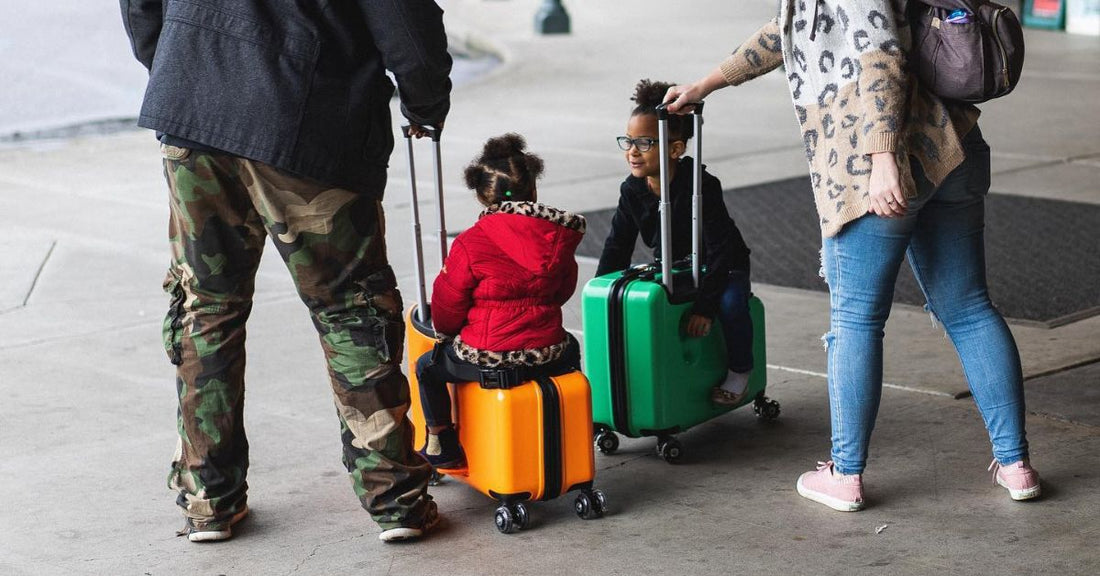
Letting your child pick out a suitcase they love—especially one they can ride—creates a strong sense of ownership. When they feel connected to their luggage, they’re much more likely to take responsibility for packing and keeping track of it.
Younglingz sells children's ride-on luggage designed to make travel easier and more enjoyable for both kids and parents. With fun, kid-friendly designs and practical features, these suitcases give children a reason to stay engaged while taking ownership of their belongings.


