
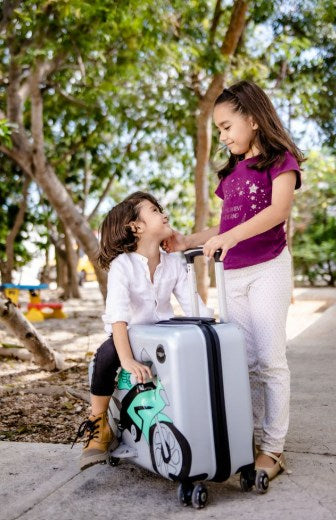
Traveling with kids brings plenty of excitement, especially when little ones get to carry their own suitcases. Children love feeling independent, and having personal luggage can make family vacations even more enjoyable. However, parents need to look beyond colorful designs and fun features when choosing the right suitcase.
Not all children’s luggage offers the same level of comfort or durability. The right suitcase should match your child’s age, withstand the demands of travel, and include features that make every journey easier. Knowing what to look for can help you choose kids’ luggage that supports your family’s adventures without introducing unnecessary safety concerns.
Choose Age-Appropriate Luggage
Children’s luggage comes in different shapes and sizes, but not every design suits every age group. A toddler needs something different from a school-age child who can manage a larger suitcase independently.
Check the manufacturer’s recommended age range before purchasing anything. These guidelines help parents understand whether the luggage suits their child’s developmental abilities and physical size.
Younger children often benefit from compact designs that they can maneuver without struggling. Older kids may appreciate slightly larger suitcases that offer more space for their belongings.
Consider your child’s coordination and strength alongside their age. A suitcase should encourage independence without creating unnecessary challenges during busy travel days.
Examine the Materials
Durability plays an important role in luggage safety because children don’t always handle their belongings gently. Suitcases may encounter rough sidewalks or accidental drops during family adventures.
Look for sturdy materials that can handle regular movement without cracking easily. Hard-shell designs can offer protection against bumps, while flexible materials may absorb minor impacts.
Pay attention to the suitcase’s corners and edges. Smooth surfaces and rounded corners can help reduce the risk of uncomfortable bumps when children move around their luggage.
Examine any decorative attachments before purchasing. Loose embellishments or detachable pieces may create unnecessary hazards, especially for younger children who enjoy exploring objects with their hands.
Check the Weight Capacity
Weight limits deserve special attention when shopping for children’s ride-on luggage. Unlike traditional suitcases, these designs allow children to sit on top while parents help them move through suitable travel areas.
Always review the manufacturer’s stated weight capacity before allowing your child to ride. Your child’s current weight should fall within the recommended limit, and you should account for future growth when choosing a product.
Avoid assuming that a sturdy appearance means the suitcase can support every child. Manufacturers design different models for specific weight ranges.
Also consider the luggage’s total weight when you pack it. Overloading a suitcase can make steering more difficult and place unnecessary stress on its components.
Look for Reliable Wheels
Wheels influence how smoothly children can move their luggage. Poorly constructed wheels may catch on uneven surfaces or make sudden turns difficult to control.
Look for wheels that rotate smoothly and connect securely to the suitcase. Test the luggage on a clean, flat surface to see how easily it moves.
For ride-on designs, consider how the wheels respond when your child sits on the seat. The suitcase should remain manageable within the manufacturer’s recommended operating conditions.
Remember that smooth indoor flooring differs from outdoor pavement. Even sturdy luggage may struggle on gravel or uneven sidewalks, so choose appropriate routes whenever possible.
Inspect the Handles
A suitcase handle should feel comfortable for both children and adults. Handles with awkward shapes can make luggage difficult to control, particularly during longer walks.
Look for a design that allows your child to maintain a natural grip without stretching excessively. Adjustable handles can accommodate growing children and different carrying preferences.
Parents should also evaluate handles that support pulling or steering. A secure connection helps prevent unexpected separation when someone moves the suitcase.
Before each trip, gently test the handle for looseness or damage. Addressing small problems at home can help you avoid frustrating equipment failures during your vacation.

Evaluate Ride-On Features
Ride-on suitcases offer a convenient way to combine luggage storage with child transportation. However, parents should carefully examine the features that support a seated child.
Look for a stable seating area that accommodates your child’s size without forcing an uncomfortable position. Follow the manufacturer’s instructions regarding seating posture and proper use.
Some designs include footrests or additional support features that help children maintain a comfortable riding position. Check whether these components fit your child’s height and allow appropriate foot placement.
Never allow children to ride near stairs or escalators. Keep ride-on luggage away from steep slopes and moving vehicles, and supervise your child throughout every ride.
Prioritize Stability
A suitcase that tips easily can create unnecessary frustration and potential injuries. Stability becomes especially important when children use luggage independently or sit on a ride-on model.
Examine the suitcase’s overall shape and wheel placement. A balanced design should remain upright during normal use on suitable surfaces.
Test how the luggage responds to gentle turns before taking it on a family trip. Sudden movements can affect balance, particularly when children shift their weight.
Encourage your child to remain seated properly while riding. Reaching too far sideways or leaning backward can affect the suitcase’s stability, even when the luggage supports their weight.
Check Zippers and Compartments
Parents sometimes overlook closures when evaluating luggage safety. However, unreliable zippers can cause belongings to spill across busy walkways or create frustration when children try to access their bags.
Choose luggage with zippers that move smoothly without requiring excessive force. Younger children should be able to open their belongings without struggling with sharp or awkward hardware.
Interior compartments can also help distribute packed items more evenly. Keeping heavier belongings near the bottom may improve balance, depending on the suitcase’s design.
Avoid overstuffing compartments or forcing zippers closed. Excessive pressure can damage closures and shorten the luggage’s useful life.
Consider Visibility in Busy Places
Airports and transportation centers can become crowded quickly, making it important to keep children and their belongings close. A recognizable suitcase can help parents identify their child’s luggage among similar bags.
Bright colors or distinctive patterns can make identification easier during busy travel moments. Consider adding a luggage tag with appropriate contact information in case the suitcase becomes separated from your family.
Avoid displaying unnecessary personal details where strangers can easily see them. A secure luggage tag can provide useful contact information without exposing sensitive details.
Teach your child to recognize their suitcase before traveling. Familiarity can help them take responsibility for their belongings while remaining close to you.

Choose Practical Dimensions
Oversized luggage can become difficult for young children to handle, especially in crowded terminals. Compact suitcases often provide enough room for children’s essentials without creating unnecessary bulk.
Check the luggage’s measurements before purchasing, particularly if your family frequently flies. Airlines establish their own carry-on size restrictions, and available overhead storage can vary between aircraft.
A suitcase that fits your usual transportation needs can simplify boarding and luggage storage. However, never assume that every airline accepts the same dimensions.
Think about your family’s other travel plans, too. Smaller luggage may work well for overnight visits or weekend road trips when children only need a few personal belongings.
Teach Safe Luggage Habits
Even well-designed luggage requires appropriate handling. Children benefit from learning basic safety habits before navigating unfamiliar travel environments.
Practice pulling the suitcase around your home and explain when your child should stop moving. For ride-on models, demonstrate how to sit properly and remind your child to wait for an adult before riding.
Discuss why stairs and crowded walkways require extra attention. Young children may become excited and forget their surroundings, especially during their first few trips.
Keep these lessons simple and encouraging. A little practice helps children build confidence while learning how to handle their belongings responsibly.
Make Every Journey Safer and More Enjoyable
Understanding kids’ luggage safety helps parents make thoughtful choices before their next family adventure. From examining weight limits to checking stability, every feature deserves attention when selecting something your child will use regularly.
With the right luggage and a few practical safety habits, children can enjoy greater independence while parents feel more confident about their travel gear. The goal isn’t simply to find an adorable suitcase but to choose something that makes family adventures more comfortable and enjoyable for everyone.


