
Traveling with young kids brings a unique type of magic to a vacation. Sure, it comes with snacks, schedules, and the occasional meltdown, but it also gives children something priceless: a chance to explore the world with fresh eyes. When families travel together, even simple trips become full of discovery.
Travel naturally invites children to notice, ask questions, and learn in ways that feel fun instead of forced. A weekend road trip, a flight to visit grandparents, or even a new hotel stay can spark excitement and wonder in your little one. By understanding how travel encourages curiosity in young children, you can approach family trips with more confidence and turn simple moments into meaningful learning experiences.
Seeing New Places Sparks Immediate Wonder
Kids notice details adults often miss because everything feels brand new to them. The first time your child walks into a busy airport, they may stare at the moving walkways, watch suitcases roll by, or point out the huge windows filled with planes. Those moments create natural curiosity without you needing to plan anything special.
New environments also invite kids to observe with all their senses. A different climate, new smells, or unfamiliar sounds can prompt questions immediately. When you slow down and let them look around, you give them space to explore instead of rushing through the experience.
Different Cultures Encourage Open-Minded Curiosity
Travel introduces children to the idea that families live in all sorts of fascinating ways. They might hear a new language at the gate, notice different clothing styles, or see foods they have never tried before. These experiences help children become more open-minded, as they begin to understand that “different” can also mean “interesting.”
Keep in mind that you don’t need to over-explain cultural differences for young kids. Simple, positive comments work best, like pointing out a special tradition or explaining that people in other places eat different meals. Kids naturally absorb these observations, and curiosity grows when your kids feel safe asking questions.

Questions Come Alive During Travel
Knowing how travel encourages curiosity in young children becomes especially clear when you hear the questions they ask in new surroundings. Kids want to understand what they see, so they ask why planes look so big, where luggage goes, or what the pilot does inside the cockpit. Those questions indicate that their minds remain engaged and eager to learn.
Instead of brushing off the constant “why,” try treating it as part of the trip. If you wait in a long security line, explain what the workers do and why everyone follows the same steps. When you sit at the gate, watch the ground crew together and let your child narrate what they notice.
Trying New Foods Becomes Part of the Adventure
Food often becomes one of the easiest ways for kids to explore a new place, even if you’re just in a new state. A different breakfast at a hotel, a snack from a local café, or even a fun treat at the airport can feel like an experience all its own. Kids love using their senses, and travel gives them more chances to do that.
For picky eaters, trying new foods may feel intimidating, so keep it light. Offer a small taste and describe it together, rather than pressuring them to finish. You might ask whether it tastes sweet, salty, crunchy, or soft, turning eating into a fun form of exploration.
Travel Builds Confidence Through Small Independence
Kids love taking an active role in a trip rather than letting their parents do everything for them. When you let your child pack a few items, choose a travel book, or carry a small bag, they feel more invested in the journey. That independence builds their confidence and helps them approach new travel experiences with more curiosity and excitement.
Even toddlers enjoy having a role. Something as simple as holding their boarding pass or picking the snack for the car ride can make them feel capable. When kids feel included, they stay more engaged, more cooperative, and less restless throughout the day.
Movement Keeps Kids Curious and Happier
Long travel days can be challenging for young children because sitting still feels impossible. Airports require a lot of waiting, and long hallways can test anyone’s patience, especially a bored toddler’s. Kids stay calmer and more curious when they can move rather than feel stuck.
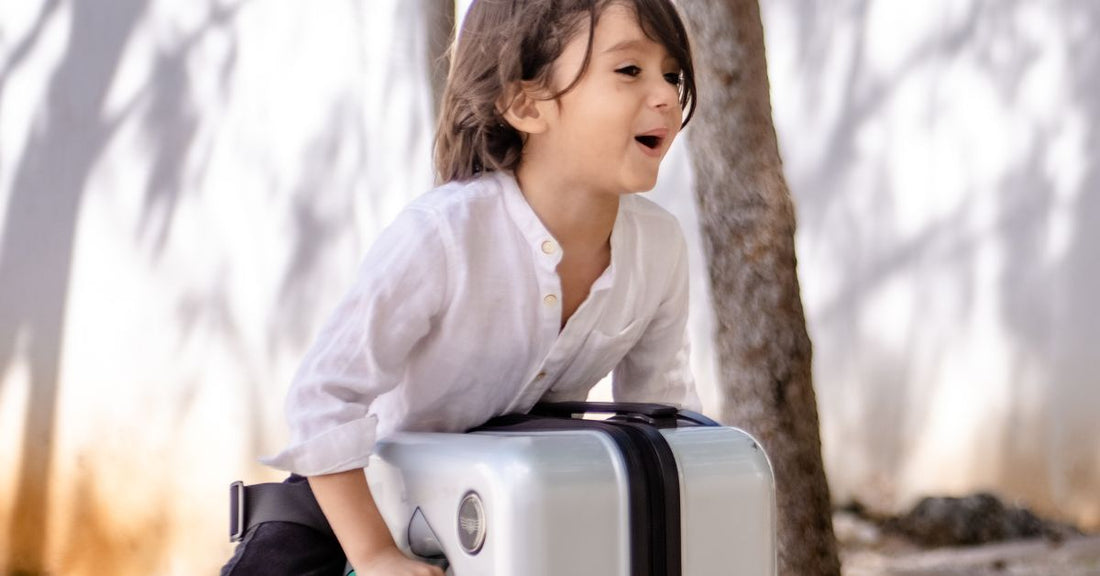
Movement gives children a sense of freedom. Walking to the next gate becomes a chance to point out signs, watch escalators, or wave at other families. Some parents use creative travel gear, such as a luggage stroller, to help children stay engaged as they move through busy terminals. When kids have a fun way to stay active, they spend less time feeling restless and more time noticing the exciting world around them.
Parent Travel Tip
When children are physically comfortable, they have more energy for curiosity. A happier child explores more, and a less-stressed parent enjoys the trip more, too.

Tips for Encouraging Curiosity While Traveling
Parents can encourage curiosity without turning travel into a structured lesson. Some tips for encouraging curiosity while traveling include the following:
- Let your child help pack a few essentials
- Talk about what they might see before you arrive
- Build in breaks for movement and exploration
- Encourage questions instead of rushing through busy moments
- Focus on one new experience at a time
- Share your own curiosity by noticing things out loud
When kids feel included in the travel experience, they stop seeing the trip as endless waiting and start seeing it as an adventure. Small moments—like helping pack, spotting something new out the window, or asking questions at the airport—give them a sense of ownership and excitement. That sense of discovery not only keeps kids curious but also makes the journey easier and more meaningful for the whole family.
The Right Luggage Makes Travel Easier for Everyone
Once you build curiosity and excitement, practical travel tools help the whole family enjoy the experience. Most parents agree that smoother trips often depend on keeping kids comfortable, engaged, and supported during long stretches of walking and waiting.
That’s where kid-friendly ride-on luggage can make a real difference. Younglingz offers durable stroller suitcases designed for kids ages 2 and up, with rugged 360-degree wheels that turn easily through airports and busy spaces. The foot pedals fold in, the handlebars fold down, and the suitcase fits neatly into an overhead bin, making it useful beyond just being fun.
When parents focus on connection, movement, and small moments of independence, travel becomes less stressful and far more meaningful. Even simple family trips can become opportunities for wonder, discovery, and lifelong curiosity.


